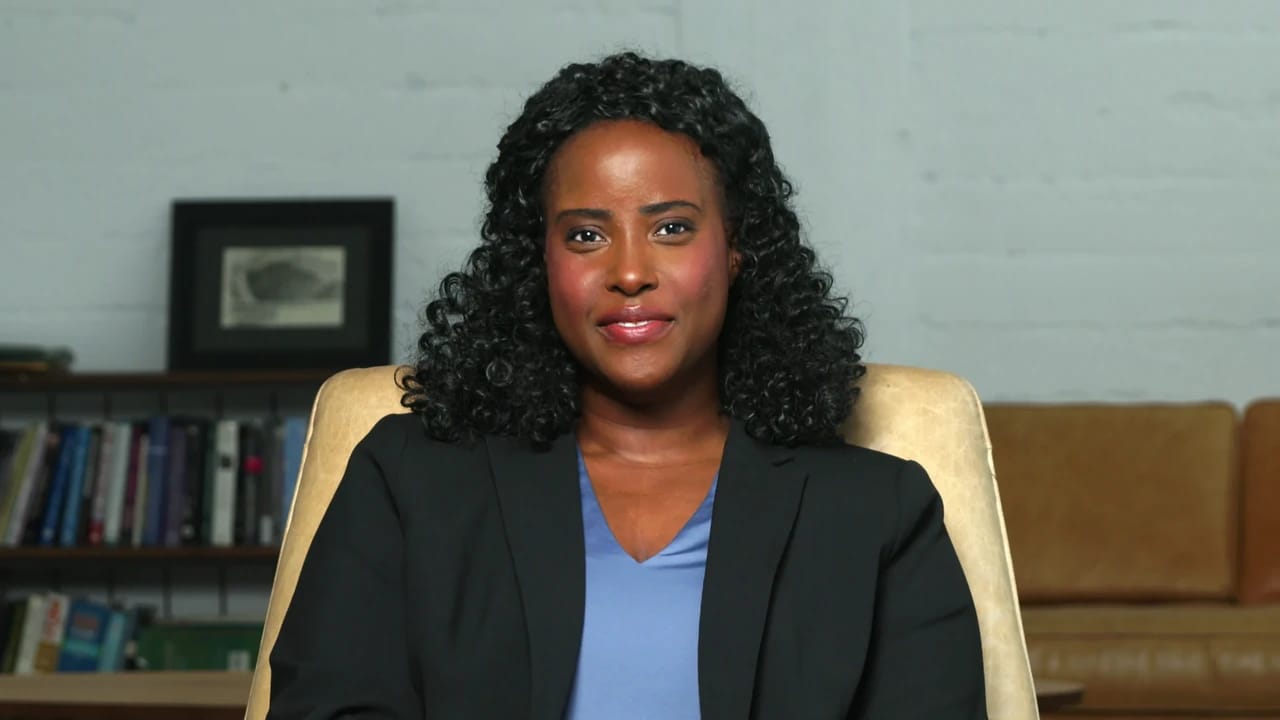
Sample scenario · Advising a returning adult studentHigher Education
Give students opportunities to practice essential professional skills before entering the workforce, alongside the courses they already take.
Prepare students and professionals for challenging real-world situations through AI-powered simulations, personalized feedback, and measurable skills assessment.

Reading about a difficult conversation is one thing. Having it, hearing how it landed, and trying again is where interpersonal skills actually develop.
“Rapport is built through reflective listening, open-ended questions, and validating the client's experience before moving to problem-solving.”

Make mistakes with a simulated client, not a real one.
Characters respond to what you actually say and how you say it.
Revisit the same scenario until the right approach feels natural.
Specific coaching after every attempt, tied to your rubric.
You're an intake caseworker meeting Amara for the first time. She's overwhelmed, frustrated by the wait, and hesitant to share. How you open shapes everything that follows.

After each session, learners see how the conversation unfolded, what worked, and what to try next, measured against the criteria their instructor defined.
Client Intake: Building Trust · attempt 4 · VoiceIllustrative exampleOffered a resource before fully understanding the situation. An open-ended follow-up would have surfaced the income change sooner.
“You acknowledged the client's concerns and demonstrated active listening. Consider using an open-ended follow-up question to better understand their immediate needs.”
All scores shown are illustrative. AI feedback is always labeled and provisional; it is not a validated measure of professional competence.
A short loop learners can repeat as often as they need, on their own or as part of a course.
Explore a realistic situation aligned with your learning goals.

Engage with responsive AI characters through text, voice, or video.
Understand your strengths and opportunities to improve.
Repeat scenarios, track progress, and demonstrate your skills.
Sample scenario · Advising a returning adult studentGive students opportunities to practice essential professional skills before entering the workforce, alongside the courses they already take.
Sample scenario · A referred parent's first intakePrepare case managers, social workers, and frontline teams for complex client interactions, with consistent practice across every new hire.

Exploring simulations for patient communication, interviewing, and other interpersonal competencies.

Improve communication, customer interactions, and leadership skills through realistic practice.
Bring your own expertise into Academy. Write scenarios from the situations you already teach, set the criteria, and review how learners improve, without redesigning your curriculum.


“In pilot” features are available to pilot programs today. “Planned” features are on the roadmap and not yet available.
Academy uses AI as a practice partner, never a replacement for the people who teach. It gives learners room to build empathy, judgment, communication, and confidence before the moments that count.
Educators set the objectives, competencies, and rubric weights a session is measured against.
Learners can submit attempts for instructor review. Instructors can adjust scores and add their own notes.
AI feedback is always marked as AI-generated and provisional, and kept separate from instructor notes.
Learners can practice on their own before anything is shared with an instructor.
Anyone can flag an AI response in a session or transcript for instructor follow-up.
Text, voice, or video. Programs choose what fits their learners and setting.

No. Academy is designed to complement existing learning systems with experiential practice and assessment. LMS integration is on the roadmap, not a current capability.
Discover how Academy can help your students and teams practice the skills that matter.